

Explore this month’s night sky
With practical tips and examples for smart telescopes and beginner setups.
This month’s night sky, made simple
Each month, I highlight beautiful objects worth capturing, with simple tips to help you succeed — whether you’re just starting out, using a smart telescope, or a classic deep-sky setup.
Spend less time planning, and more time outside under the stars.

A Cosmic Captures tool
Plan your deep-sky night in minutes, not hours.
What's up tonight, when it peaks, what the Moon will do to it, and whether it fits your gear — worked out for your location, before you go outside.
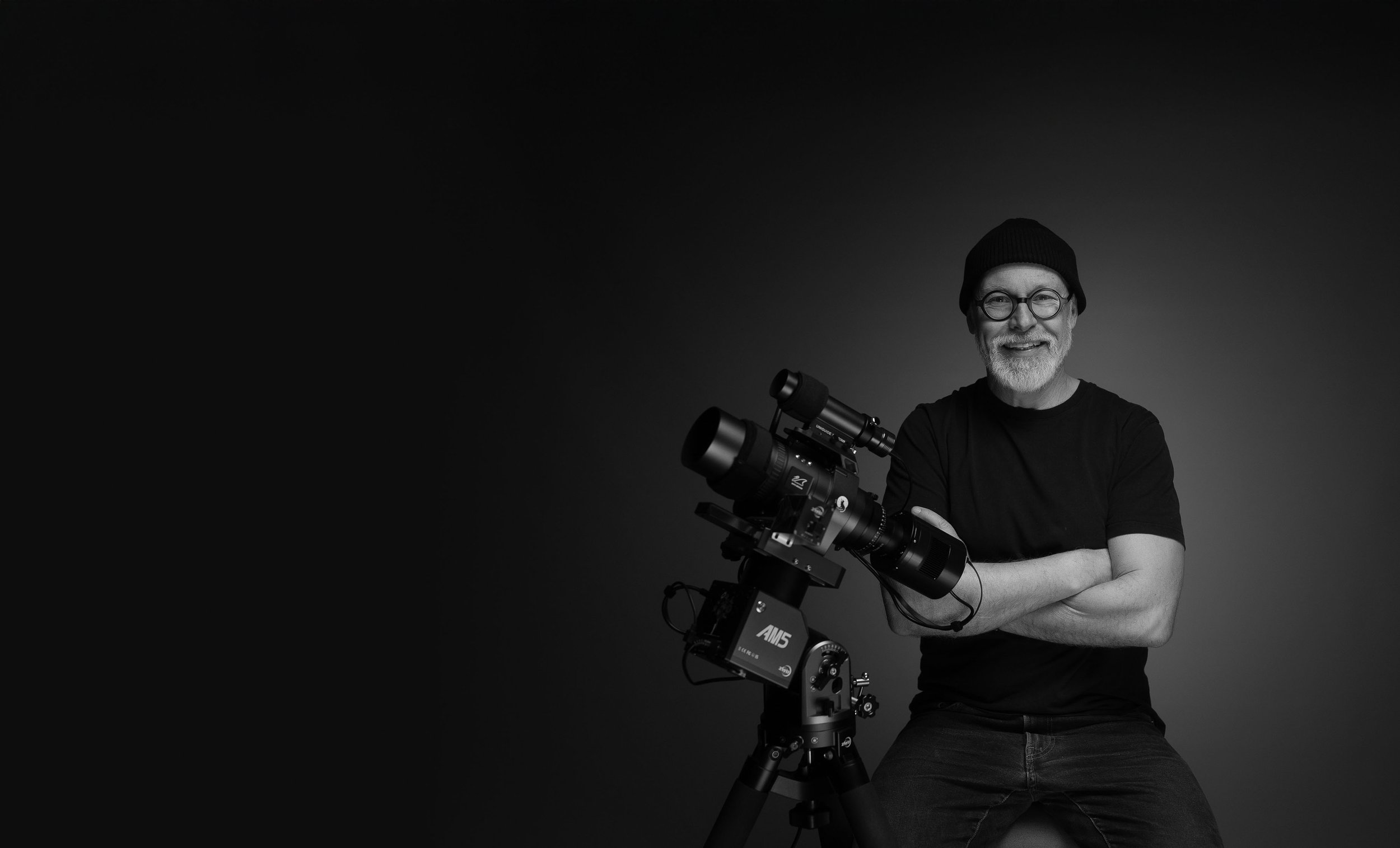
Astrophotography doesn’t have to be complicated.
Cosmic Captures makes discovering the beauty of the universe simple and accessible — so anyone can experience the night sky for themselves.
It can feel overwhelming at first, but with the right guidance and a simple approach, getting started is much easier than most people expect.
Here, I share practical tools, clear explanations, and real-world experience to help you capture the night sky with confidence — whether you’re using a smart telescope or a traditional setup.
— Tim Ciasto, Cosmic Captures
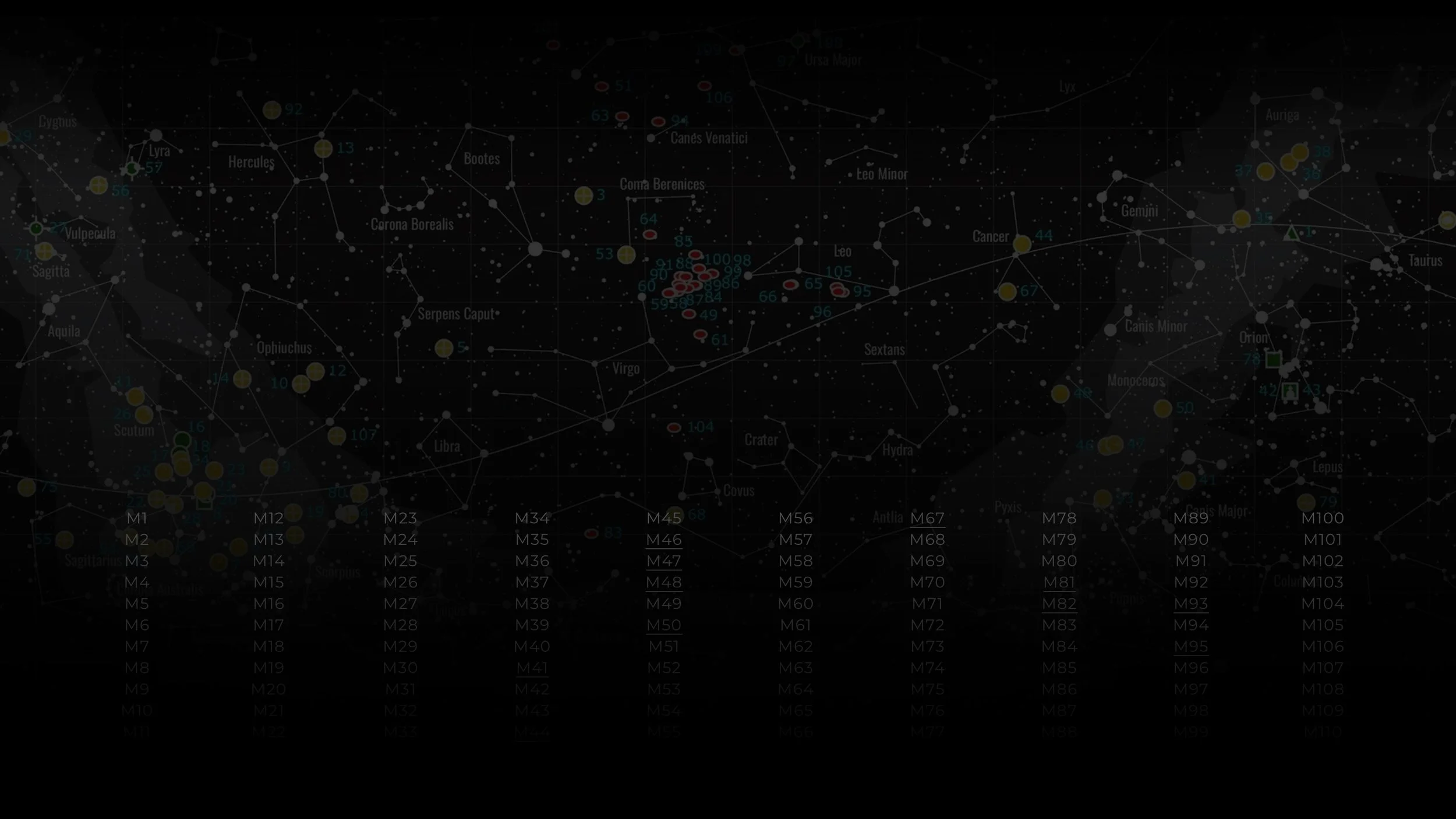
Discover the Messier Catalogue
Over the coming months, we’re exploring the entire Messier Catalogue together — one of the best ways to discover the night sky and build your astrophotography skills along the way.
Whether you’re observing visually or capturing your first deep-sky objects, you’re invited to join the journey.
A companion for your nights under the stars
In the Cosmic Captures newsletter, I share practical tips, night sky updates, and behind-the-scenes reflections from my own journey.
If you want to stay inspired, improve your results, or simply feel a little less alone in the dark — you’re very welcome.
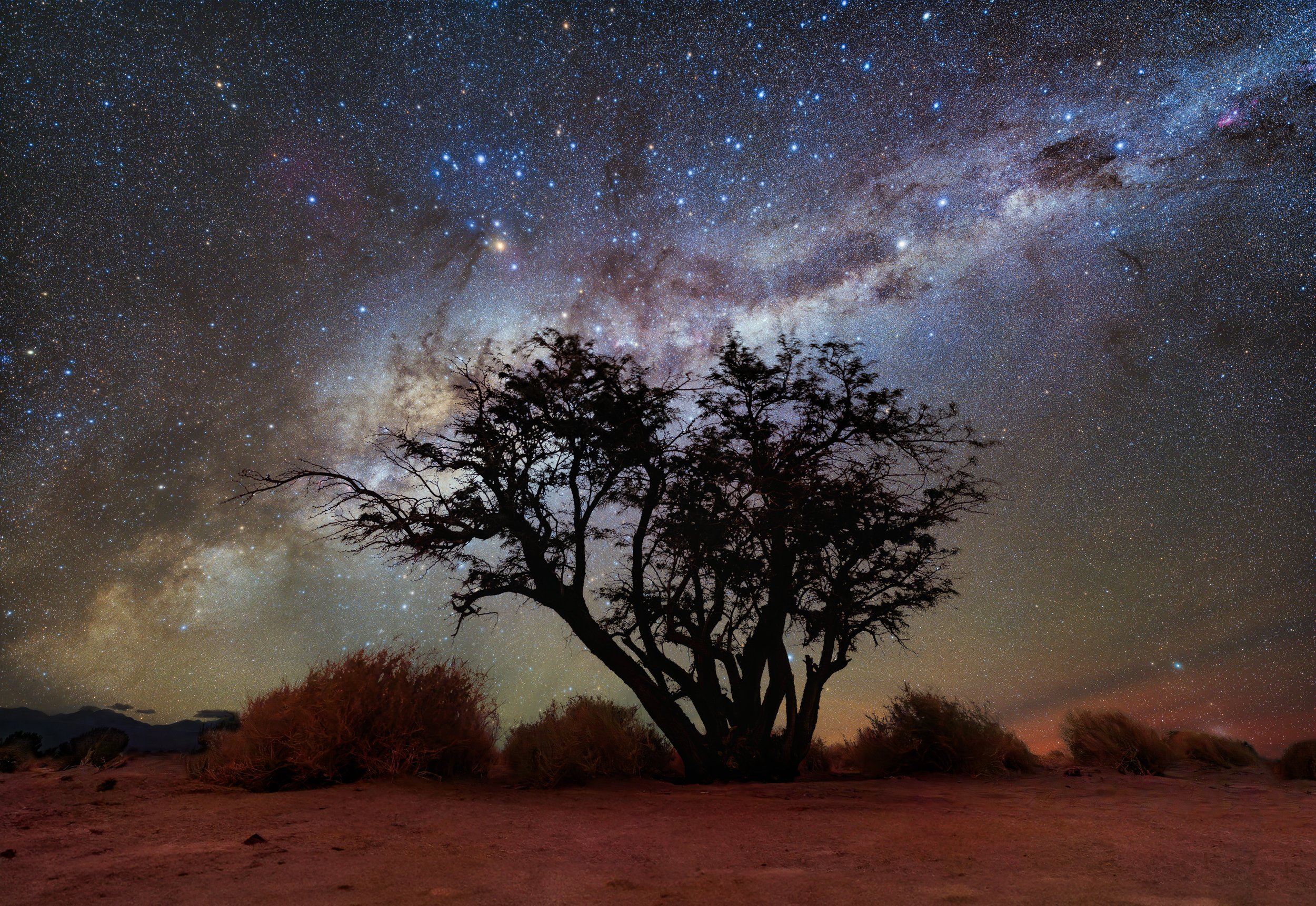
This is where it begins
Astrophotography can feel overwhelming at first — not because it’s difficult, but because there’s so much to choose from.
And the good news is, you don’t need to decide everything at once.
New to Astrophotography?
Start Here
Astrophotography is a wide and beautiful world — and there’s no single right way into it.
You don’t need to master everything, buy everything, or understand everything at once.
This space is here to help you explore the night sky at your own pace, one path at a time.
There isn’t one way to photograph the night sky. Below are a few different paths you might find yourself drawn to.

Deep sky photography is about patience — and about revealing what’s been there all along.
It’s the slow process of collecting faint light from distant galaxies, nebulae, and star clusters, often over many hours or nights. What begins as darkness gradually turns into structure, colour, and depth — a quiet reminder of how vast the universe really is.
If you’re drawn to detail, long-term projects, and the magic of seeing something emerge piece by piece, this path might feel like home.
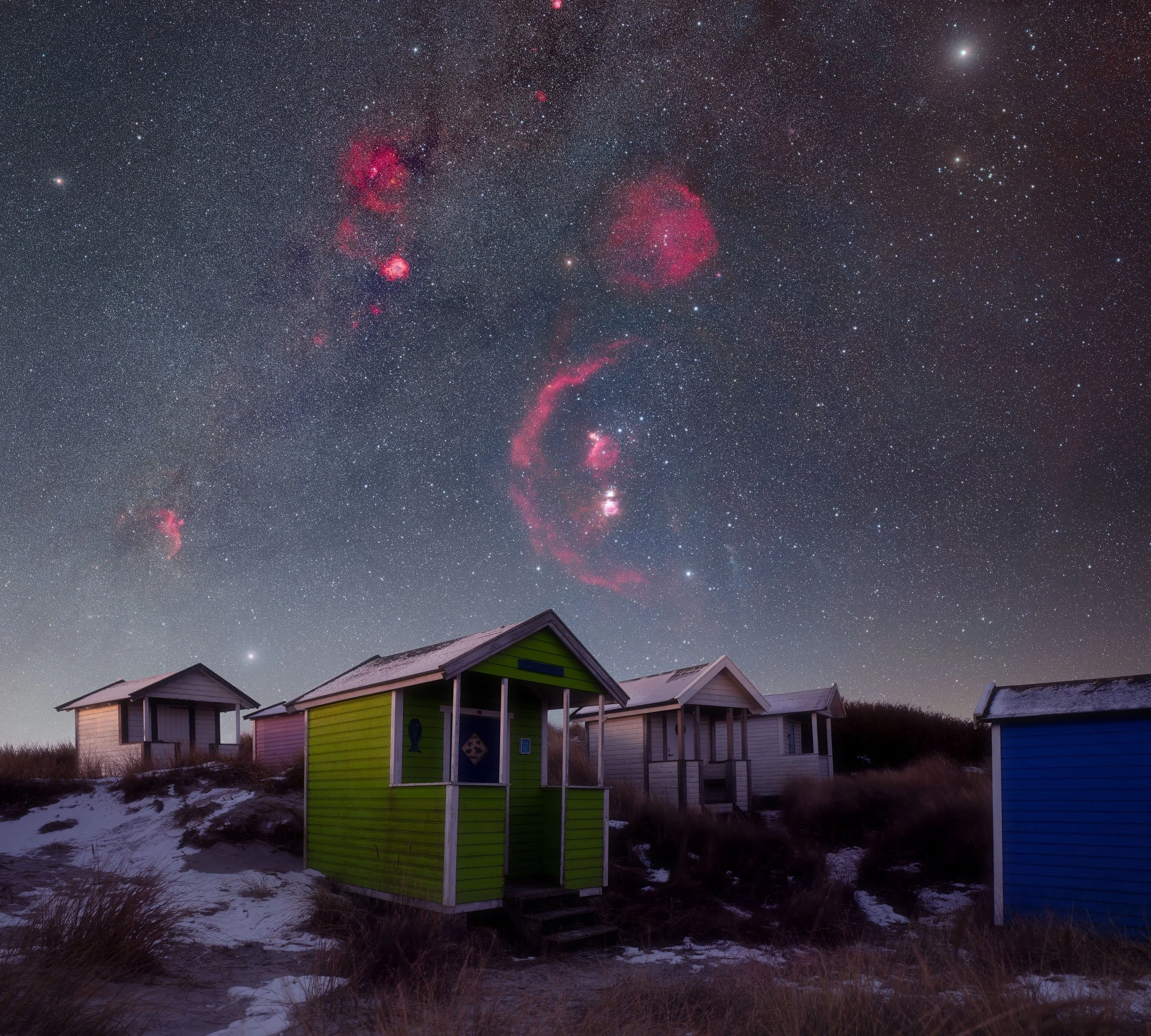
Nightscape photography begins with being somewhere — not just pointing a camera upward.
It’s about standing under the stars and letting the sky become part of a place you know: a coastline, a forest, a mountain, a familiar horizon. The night doesn’t replace the landscape — it completes it.
If you’re drawn to atmosphere, wide skies, and the feeling of witnessing a moment rather than chasing perfection, this path invites you to slow down and look around.

The Moon is familiar — and endlessly new.
It’s close enough to feel personal, yet detailed enough to reward careful attention. Every phase changes the light, every shadow reveals new texture. You don’t need dark skies or complex setups — just time, curiosity, and the willingness to look closely.
Lunar photography is about slowing down and discovering how much is hidden in something we think we already know.
Astrophotography doesn’t end here. Planets, the Sun, comets, auroras — they’re all part of the same sky.
Some appear only at certain times. Some demand different tools. Some arrive unexpectedly.
They belong to the journey too.